The Best Christmas Markets in Europe 2026: Dates and Locations
Best Christmas markets in Europe for 2026: dates, cities, locations and tips to plan your Christmas getaway ahead of time.
 Miriam12 min readVerified · September 2026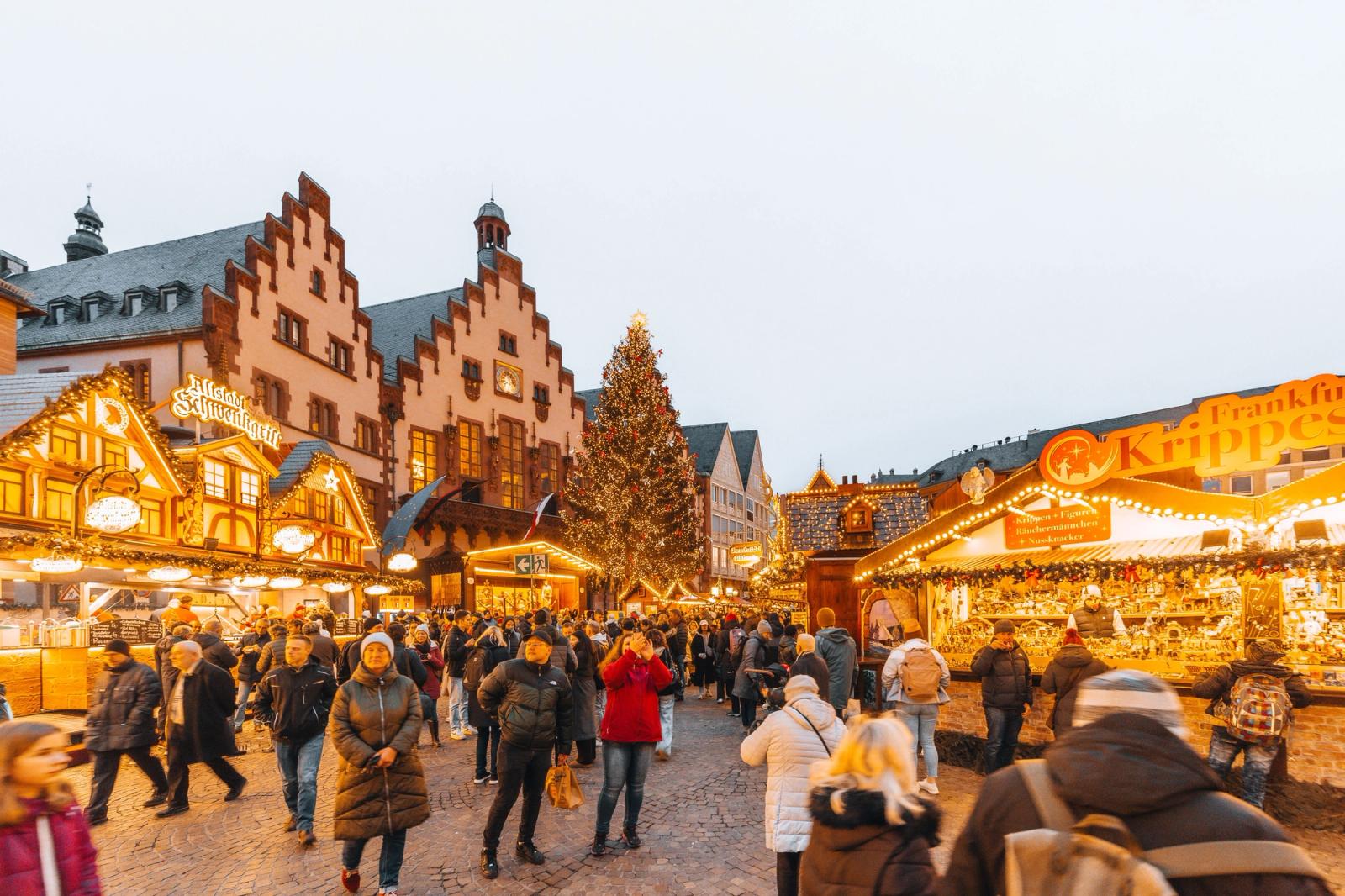
If there's one time of year when Europe transforms completely, it's Christmas. The cities fill with lights, huge trees, wooden stalls, traditional sweets, hot chocolate and, in some places, even snow. And even if you only have two or three days, it's the perfect time for a short break, with an atmosphere you won't find at any other point in the year.
But with so many Christmas markets to choose from, which ones are actually worth it?
In this article we've picked out some of the best Christmas markets in Europe for 2026, from the big classics like Vienna, Prague and Budapest to some slightly different options like Tallinn, Zagreb and Copenhagen.
We'll tell you when they run, where they are and what you'll find at each one, so you can pick the one that best fits your trip and start planning your Christmas break in good time.
At a glance: 2026 dates and locations
| Market | City | 2026 dates | Location |
|---|---|---|---|
| Wiener Christkindlmarkt | Vienna, Austria | 13 Nov – 26 Dec | Rathausplatz |
| Advent in Budapest | Budapest, Hungary | Mid-Nov – early Jan (varies by market) | Vörösmarty tér and the Danube riverside |
| Old Town Square Market | Prague, Czechia | 28 Nov – 6 Jan 2027 | Old Town Square |
| Christkindelsmärik | Strasbourg, France | 27 Nov – 27 Dec (official confirmation pending) | Historic centre |
| Christkindlesmarkt | Nuremberg, Germany | 27 Nov – 24 Dec | Hauptmarkt |
| Striezelmarkt | Dresden, Germany | 25 Nov – 24 Dec | Altmarkt |
| Weihnachtsmarkt am Kölner Dom | Cologne, Germany | 16 Nov – 23 Dec (closed on the 22nd) | Roncalliplatz |
| Tallinn Christmas Market | Tallinn, Estonia | 20 Nov – 6 Jan 2027 | Raekoja plats |
| Christmas in Tivoli | Copenhagen, Denmark | 13 Nov – early Jan 2027 (closing date tbc) | Tivoli Gardens |
| Salzburger Christkindlmarkt | Salzburg, Austria | 19 Nov – 1 Jan 2027 | Domplatz and Residenzplatz |
| Advent Zagreb | Zagreb, Croatia | 28 Nov – 7 Jan 2027 | Zagreb city centre |
1. Vienna, Austria
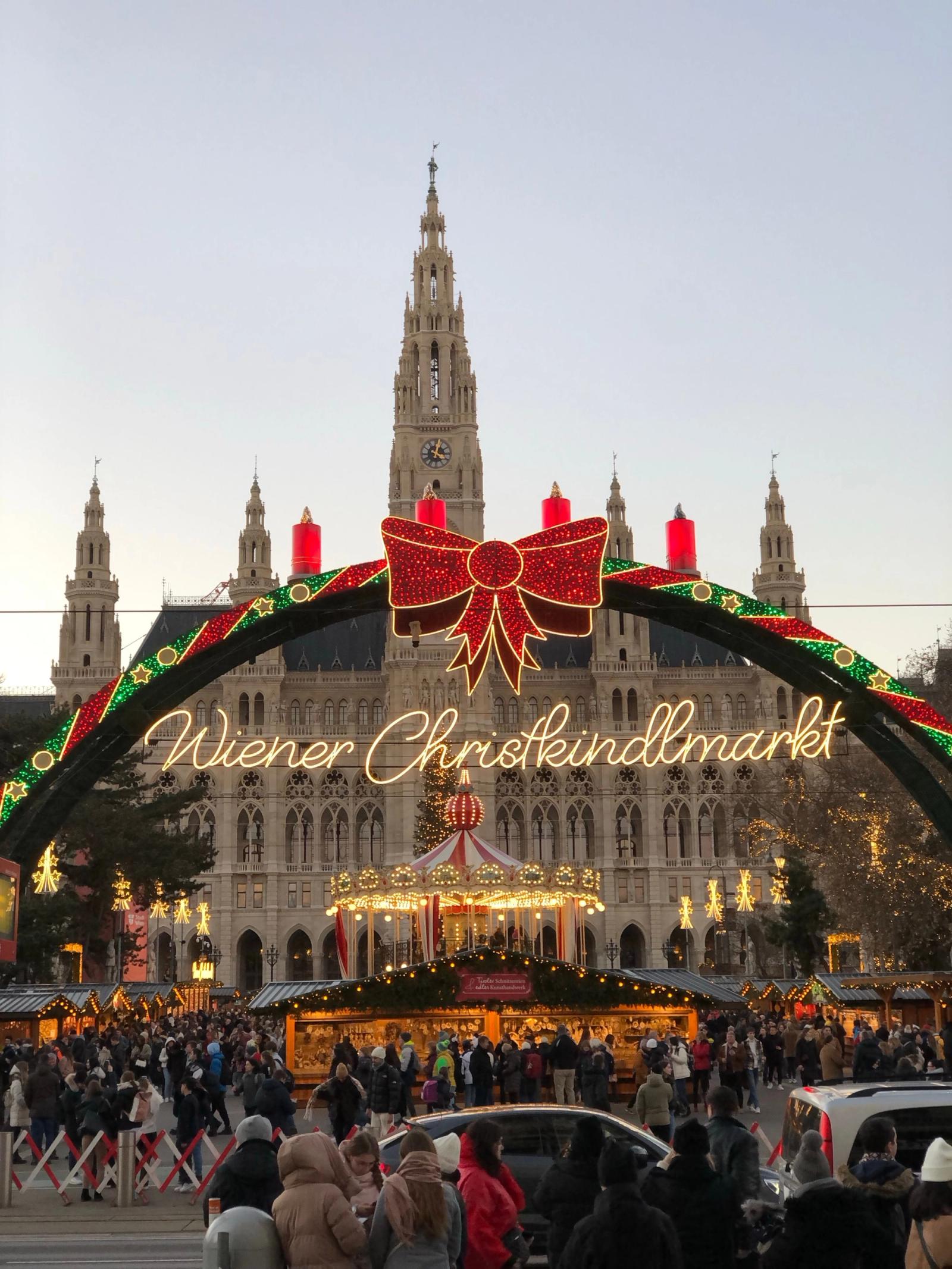
Vienna is one of those cities where it's hard to settle on just one Christmas market. During Advent there are markets scattered across different squares, so the best approach is to discover them as you explore the city.
The most famous is the Wiener Christkindlmarkt at Rathausplatz, right in front of the Town Hall. In 2026 it runs from 13 November to 26 December and, alongside the Christmas stalls, it has an ice rink.
But there are others well worth a visit too. The one at Schönbrunn runs from 6 November to 6 January, Stephansplatz from 6 to 26 December, and Maria-Theresien-Platz from 20 November to 26 December.
I'm also particularly fond of Spittelberg. It's smaller, sits in a really pretty neighbourhood, and has a much more local feel.
If you'd rather go with company, there's a two-hour walking tour of four markets with a local guide, including mulled wine and biscuits.
If you also want to see Schönbrunn Palace, there's a combined ticket for its Christmas market and a classical concert, or a fuller version that includes a tour of the palace.
2. Budapest, Hungary
This is the only one on the list we really know well. Gábor is from Budapest, and we go back pretty often, so we have a special relationship with the city.
The best-known market is at Vörösmarty tér, right in the centre. But if you ask me which one I'd recommend, I'd go for the one at St Stephen's Basilica. It's gorgeous, and one of the things we love most is watching the light projections on the basilica's façade.
The exact 2026 dates depend on each market's own programme, so it's worth checking before you plan your trip.
And here's a tip from our own experience: take a Danube river cruise at dusk. Seeing Parliament, Buda Castle and the bridges all lit up is fantastic, especially in December. Plus, it combines perfectly with an afternoon spent wandering around the markets.
3. Prague, Czechia
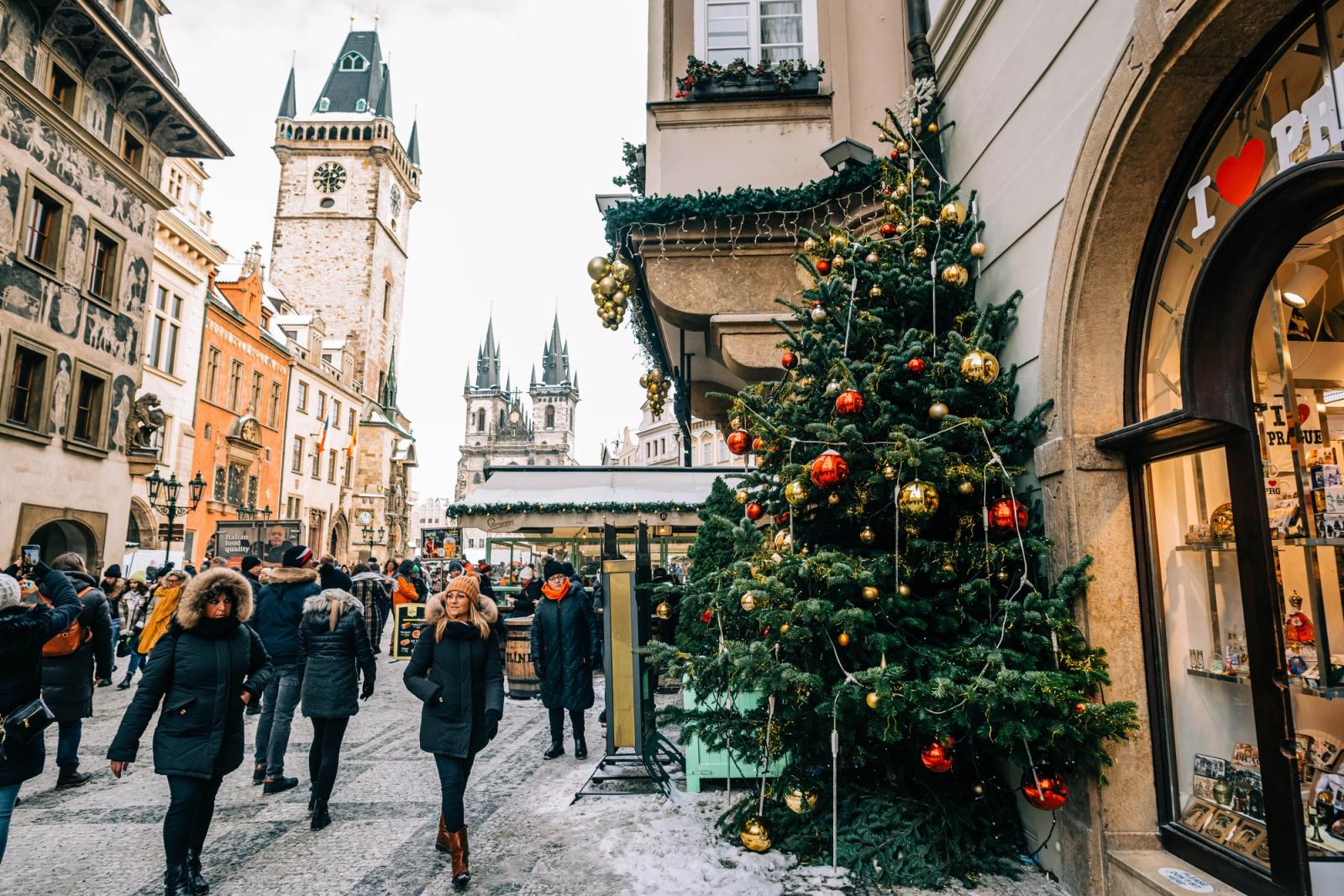
The market at Old Town Square is probably one of the prettiest in Europe. And not just for the stalls: the setting around it, with the historic buildings and the huge Christmas tree in the middle, makes it look like something out of a film.
In 2026 it runs from 28 November to 6 January, and the Wenceslas Square market has the same dates.
One advantage of Prague is that the markets carry on after Christmas, so it can be a good option if you want to travel between Christmas and New Year.
If you'd like someone to explain what you're seeing, there's a two-and-a-half-hour tour of three markets with a local, including mulled wine, mead and Christmas biscuits.
4. Strasbourg, France
If there's a city that seems tailor-made for Christmas, it's Strasbourg.
There isn't just one Christmas market here, but several spread across the Grande Île, so you can walk from one to the next as you explore the historic centre.
One of the must-sees is the market at Place Kléber, especially for the huge Christmas tree, the famous Grand Sapin. And, of course, it's really worth strolling through Petite France as dusk falls and all the lights come on.
You still need to take a bit of care with the 2026 dates. The official website hasn't confirmed everything yet, though 27 November to 27 December is being mentioned. I'd double-check the dates before booking.
If you want more context on the old town, there's a very well-rated walking tour with a local guide.
5. Nuremberg, Germany
The Nuremberg Christkindlesmarkt is one of those markets you have to visit at least once.
It's held at Hauptmarkt, in the city centre, and is one of Germany's most famous traditional Christmas markets. Here you'll find hundreds of stalls and, of course, the famous Nürnberger Lebkuchen, the city's traditional gingerbread.
In 2026 it runs from 27 November to 24 December.
If you're travelling with children, head over to the Children's Christmas Market too, at Hans-Sachs-Platz. There's a carousel, a steam train and various activities designed for them.
If you fancy something different from the market, there's a very highly-rated tour of the secret tunnels and passages beneath the Imperial Castle.
6. Dresden, Germany
The Dresden Striezelmarkt has something we love about German markets: plenty of tradition.
It's been held since 1434 and is considered Germany's oldest Christmas market. In 2026 it celebrates its 592nd edition, running from 25 November to 24 December.
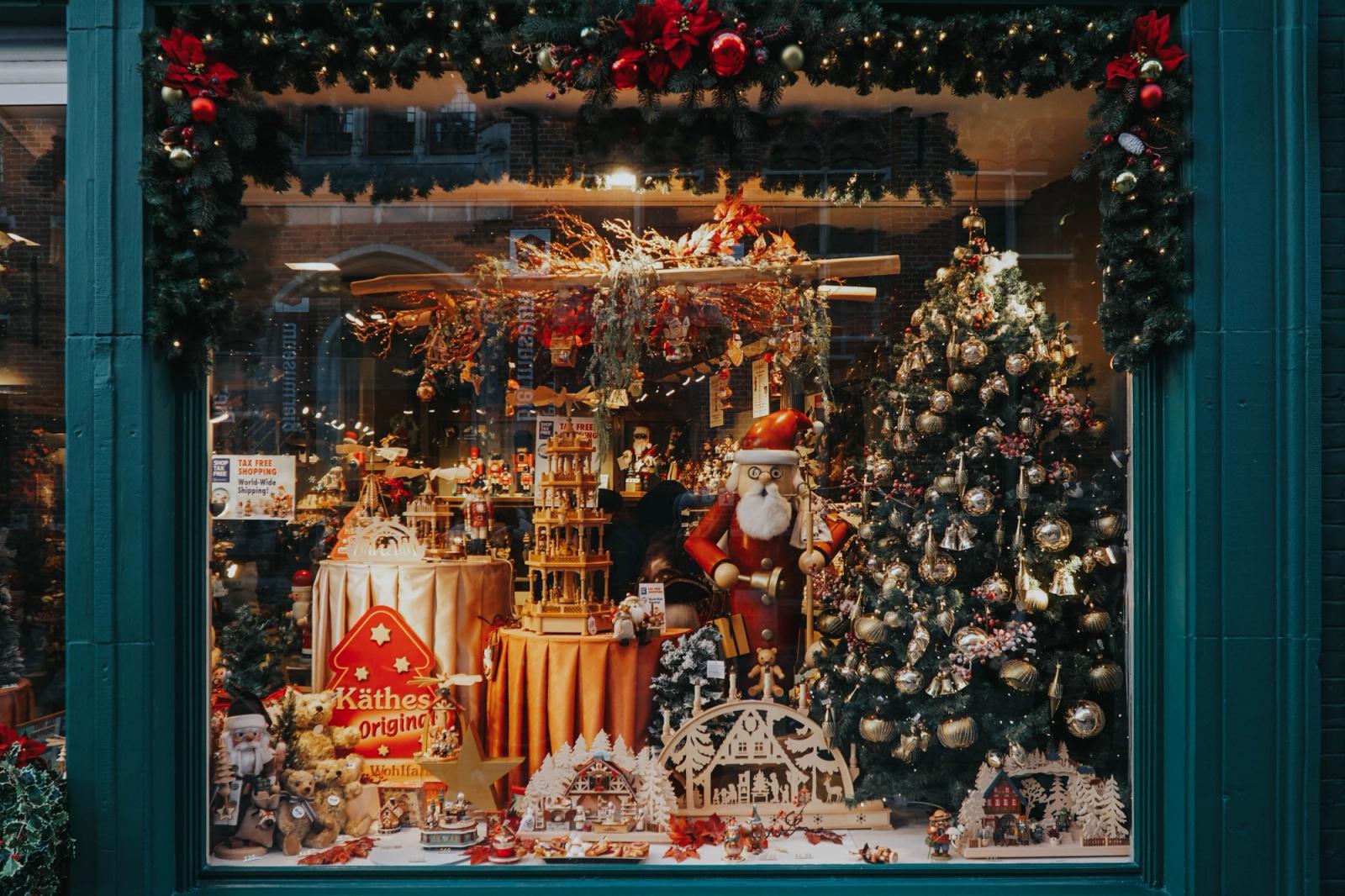
Here you'll find plenty of traditional Saxon craftwork, wooden decorations, Christmas pyramids and, of course, Christstollen, Dresden's famous Christmas cake.
And if it coincides with your visit, Christmas Garden Dresden is a night-time light show that's well worth adding to the plan.
7. Cologne, Germany
The market right next to Cologne Cathedral is one of the most impressive simply for where it's set.
The Roncalliplatz market runs from 16 November to 23 December 2026, though bear in mind it will be closed on 22 December for Totensonntag (Germany's day of remembrance).
One of the advantages of Cologne is that you don't have to settle for just one. There are several markets dotted around the city, and many are close enough together that you can hop from one to the next over the course of a day.
To explore the old town at a relaxed pace, there's a walking tour that's one of the most booked in the city.
8. Tallinn, Estonia
If you already know the more typical Central European markets and fancy something a little different, Tallinn is a gorgeous option.
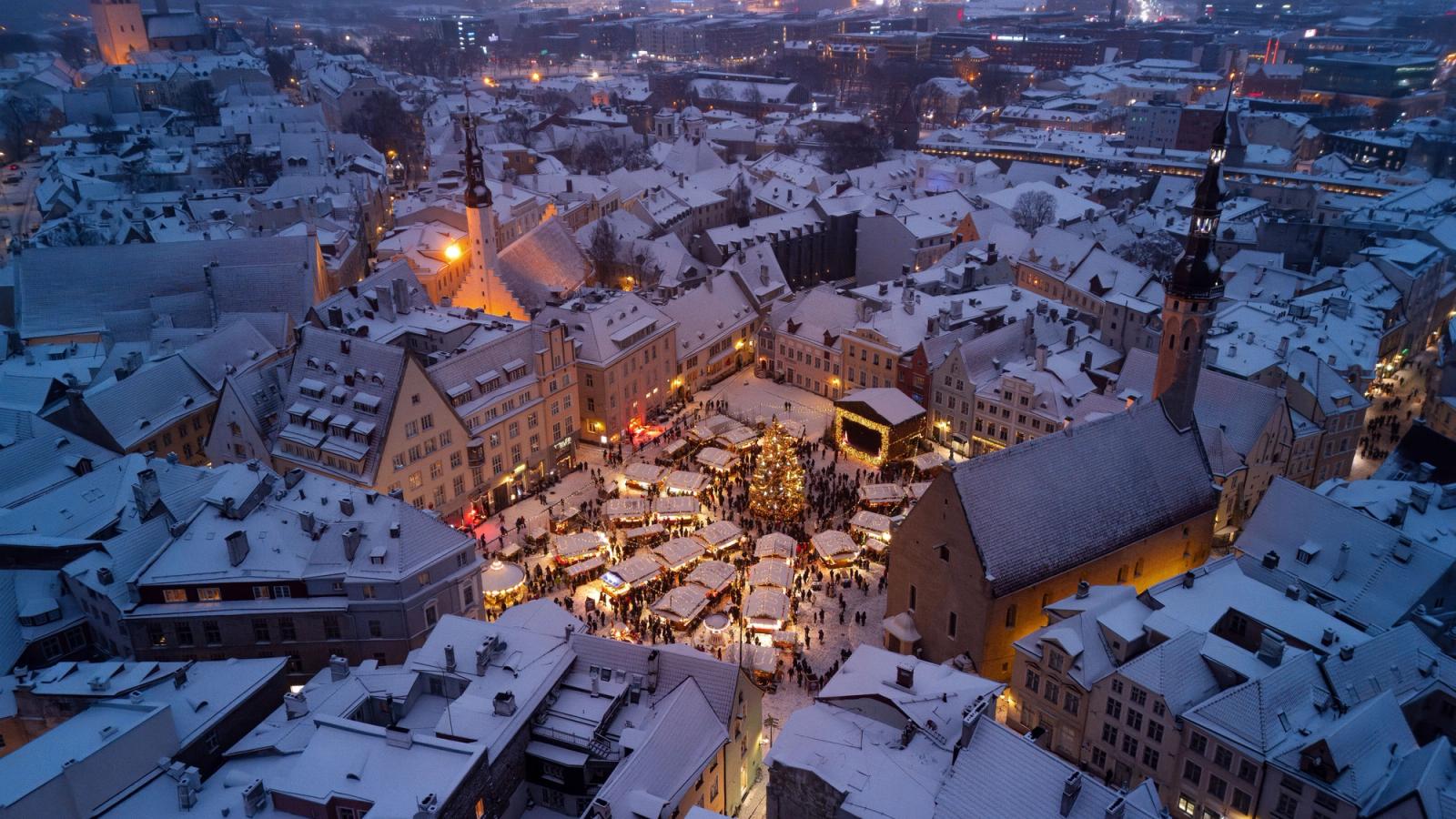
The market is set up in Raekoja plats, the Town Hall Square, right in the medieval old town. With the old houses, the lights and, if you're lucky, the snow, the atmosphere is straight out of a fairy tale.
In 2026 it's scheduled to run from 20 November to 6 January.
Plus, the chance of snow in December gives it that extra something a lot of us are looking for when we picture a European Christmas.
If you want someone to tell you the history of the medieval old town, there's a very highly-rated guided tour.
9. Copenhagen, Denmark
If there's one word that defines Christmas in Copenhagen, it's hygge.
Warm lights, candles, little wooden huts, hot food and that cosy atmosphere that makes the cold not matter quite so much.
One of the big highlights is Tivoli Gardens, which is transformed completely for Christmas. In 2026 the Christmas season starts on 13 November and is expected to run into the first few days of January, though the exact closing date is still to be confirmed.
Do bear in mind that Tivoli charges admission, unlike other markets you can visit for free around the city centre.
If you're planning to go in, the Christmas ticket with the ride pass included works out better value than paying for everything separately.
10. Salzburg, Austria
Salzburg is another of those cities that seem especially beautiful at Christmas.
The main market fills Domplatz and Residenzplatz, right in the historic centre, surrounded by beautiful buildings with the mountains as a backdrop.
In 2026 it runs from 19 November to 1 January, with around a hundred stalls.
Besides the market, there are various Christmas traditions during Advent, including the celebrations around St Nicholas and the Krampus. If you're keen to experience this more traditional side of Austrian Christmas, it's worth checking the calendar before you travel.
And if it coincides with your visit, there's a Christmas concert at Hohensalzburg Fortress that gives the evening a different kind of touch.
11. Zagreb, Croatia
Zagreb is perhaps one of the less obvious options on this list, but Advent Zagreb has become one of Europe's big Christmas events.
It isn't a single market, but different areas of the centre with food and drink stalls, crafts, concerts, lights and activities.
In 2026 it's scheduled to run from 28 November to 7 January.
I find it especially appealing if you want to enjoy the Christmas atmosphere without heading to Europe's more typical, crowded destinations.
If you'd like to see the city from a different angle, there's a tour combining the centre with the Second World War tunnels.
Which is the best Christmas market in Europe?
Well, it depends a lot on the kind of trip you have in mind.
If you want a fairytale Christmas, I'd go for Tallinn or Strasbourg.
For travelling with children, Vienna, Nuremberg and Copenhagen are all very good bets.
If you're after a more romantic break, Prague or Salzburg.
For markets steeped in tradition, Nuremberg and Dresden.
And if you want to use the trip to visit several different markets, Vienna and Cologne are very good options.
For us, if it's your first time, I'd choose Vienna, Prague or Budapest. All three have beautiful markets, but also loads to do beyond Christmas, so it's easy to put together a several-day break.
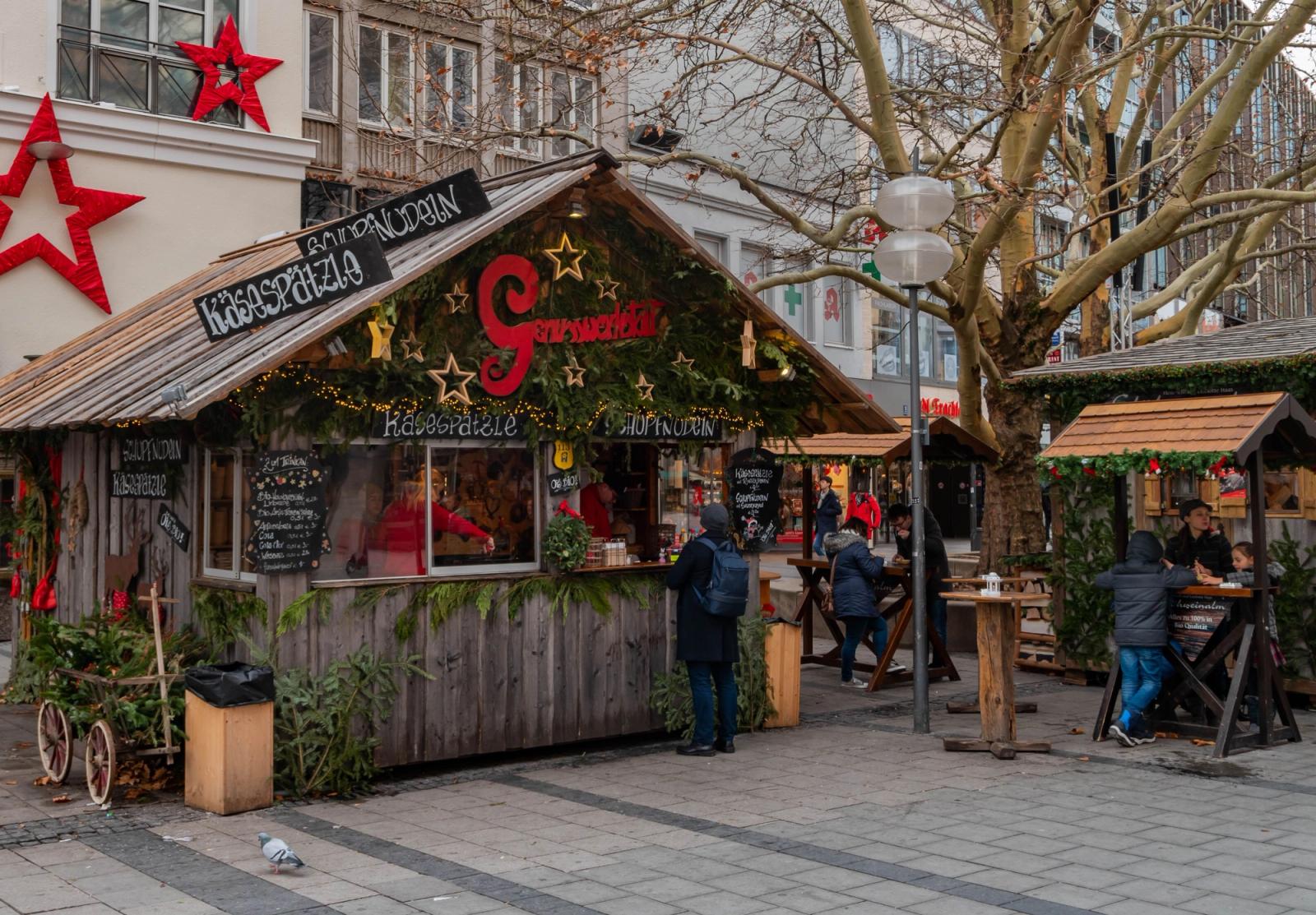
When's the best time to visit Europe's Christmas markets?
For me, the first two weeks of December are the perfect time.
Most of the markets are already open, the cities are fully decorated, and we haven't yet hit the run-up to Christmas itself, when everywhere gets really packed.
In late November some markets are still just getting going, and after 24 December many have already closed. Though there are exceptions, like Prague, Tallinn or Zagreb, which keep part of their programme running after Christmas.
And if you're travelling with children, I'd try to avoid December weekends. The most famous markets can get really packed, and with young children that changes the experience quite a bit.
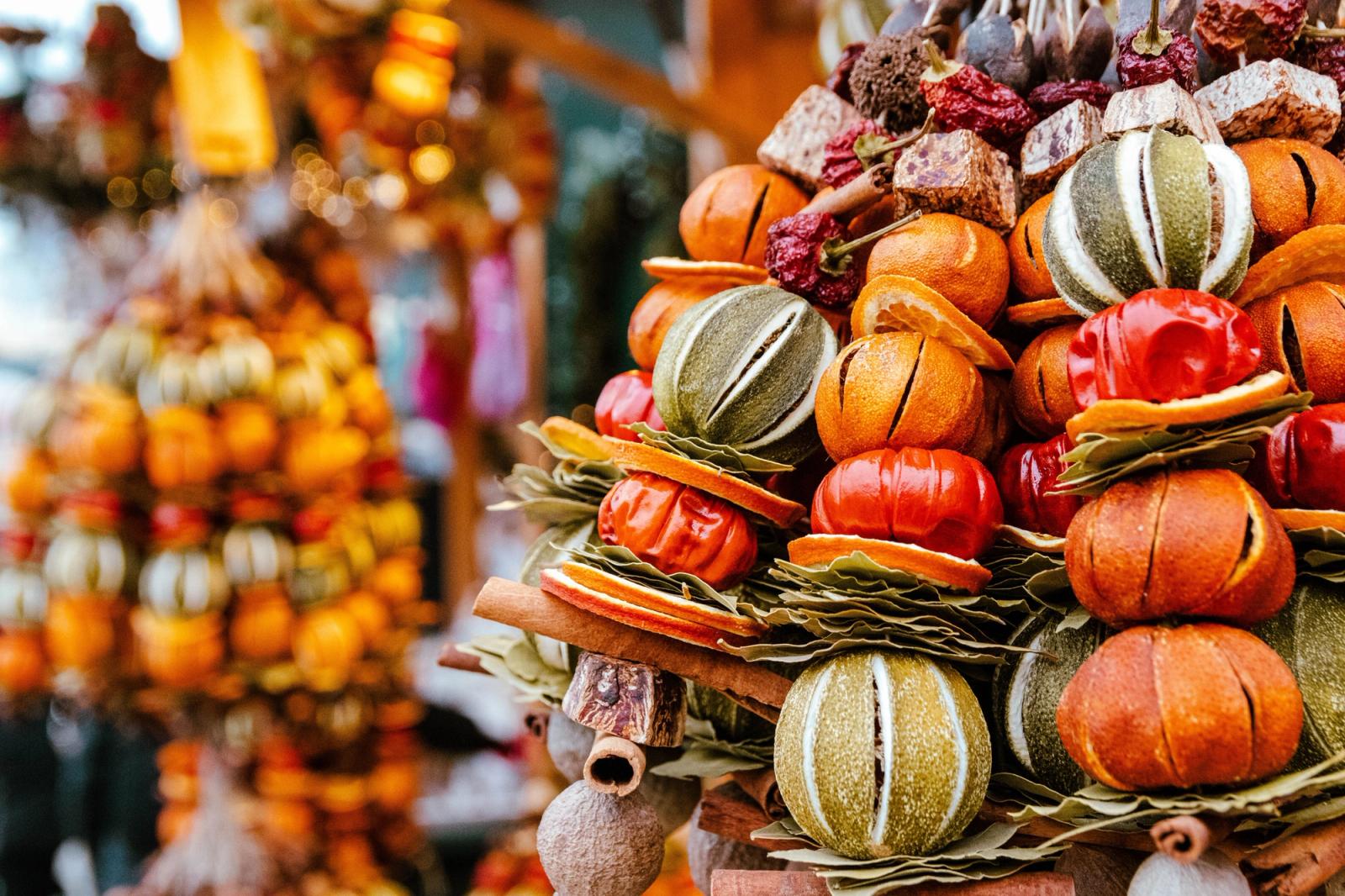
Combinations for planning a Christmas trip
Another option I find much more interesting than visiting just one market is combining two cities.
Vienna + Budapest
They're really well connected by train, and you get to enjoy two completely different Christmas atmospheres. Plus, both cities have enough going on to fill several days.
Prague + Dresden
A fantastic combination if you like traditional German and Central European markets. Plus, the two cities are roughly less than two hours apart.
Strasbourg + Colmar
Probably one of the loveliest combinations for experiencing Christmas in Alsace. You can base yourself in one of the two cities and visit the other on a day trip.
Colmar also has its own guided Christmas experience, very highly rated.
Nuremberg + other Bavarian cities
A good option if you want to tour several German markets and take the chance to explore different Bavarian cities.
Tallinn + Helsinki
A different alternative if you fancy experiencing the Christmas atmosphere of northern Europe and combining two countries in one trip.
Is it worth travelling to Europe at Christmas?
We think so.
And in the end, I think that's exactly what's lovely about travelling in December. It's not just about buying a few bits and pieces at a market.
It's strolling as dusk falls, seeing all the lights come on, having something warm to drink, trying some traditional food, and discovering a city that looks completely different from how we know it the rest of the year.
And if a bit of snow falls too, even better.
So if you've been thinking about a Christmas getaway for a while, 2026 could be a good time to do it. Pick a city, look up its market dates and start planning the trip. Because one thing's clear: Europe at Christmas has something special about it.
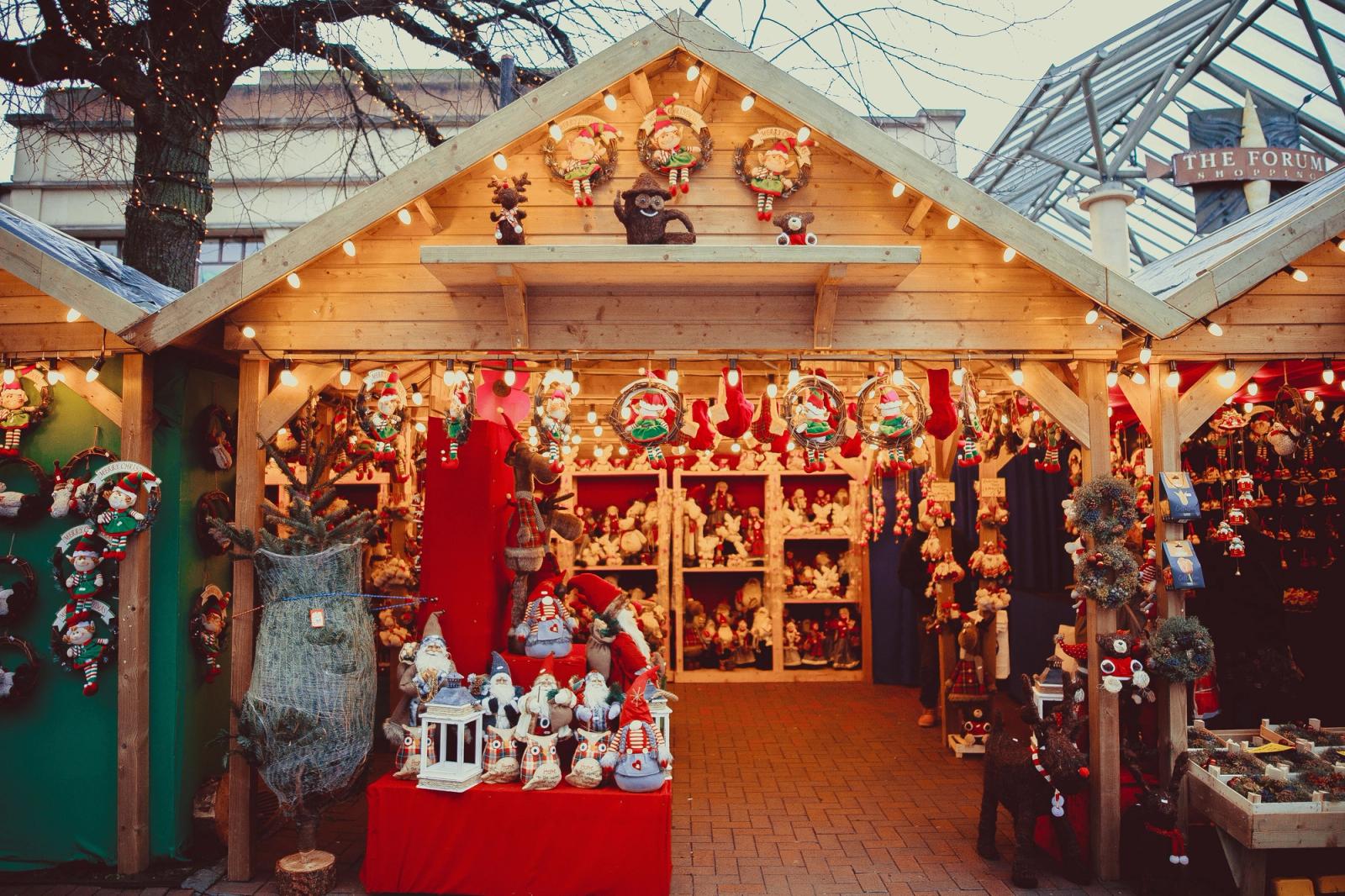
Tips for visiting a Christmas market with children
If you're travelling as a family, my main tip is don't try to see everything. The markets tend to be crowded, it's cold, and after a while the children get tired even if they're loving the lights and the stalls.
Go early. If you can, visit the market in the early afternoon. There are fewer people and you can enjoy it at a calmer pace. Plus, you can stay on for when the lights come on.
Proper warm clothing. Gloves, a hat, good footwear and several layers. It sounds obvious, but two hours with freezing feet can ruin any Christmas plan.
Leave room for treats. Hot chocolate, waffles, churros, biscuits, sausages… part of the fun of these markets is trying things as you go. And with children, even more so.
Look for children's activities. Many markets have carousels, ice rinks, little trains, workshops or visits from Father Christmas. It's worth checking the programme before you travel.
Locate the toilets. It sounds like a small detail until you're there with children… better to know where they are before an emergency hits.
Don't plan too much for the same day. A single market can easily fill a whole afternoon. We'd rather combine it with a relaxed walk and a nice meal than try to squeeze in five visits in one day.
And, above all, leave time to improvise. In the end, what the children remember most is often eating something tasty, seeing the lights, riding a carousel, or simply playing in the snow.
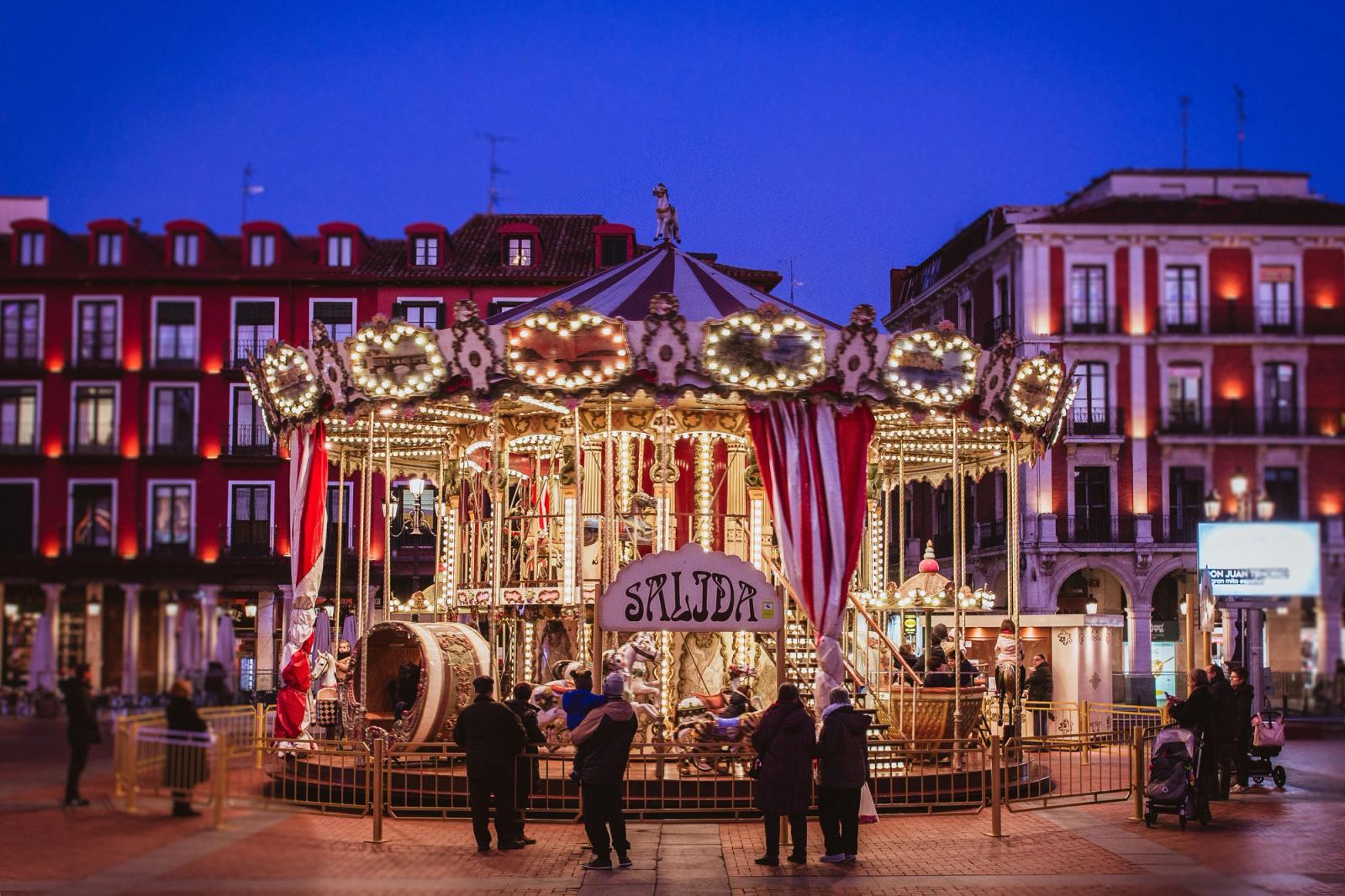
In summary
Christmas markets are the perfect excuse for a December break. Each city has its own atmosphere, and although some are more touristy than others, they all have something special about them at this time of year.
If it's your first Christmas trip around Europe, Vienna, Prague or Budapest are safe bets. And if you're after something different, Tallinn, Zagreb or Dresden can be brilliant options.
Now all that's left is to pick a destination, put your coat on, and enjoy Christmas.
FAQ
When do Europe's Christmas markets open in 2026?
It varies by city. Most open between mid- and late November; some, like Prague, Tallinn, Copenhagen and Zagreb, run on into early January 2027.
Which is the oldest Christmas market in Europe?
The Dresden Striezelmarkt, documented since 1434 and certified as Germany's oldest. In 2026 it celebrates its 592nd edition.
Are Europe's Christmas markets good for visiting with children?
Yes. Vienna (with its ice rink), Nuremberg (with its own children's market) and Copenhagen (Tivoli) are among the best thought out for families.
When are Christmas markets least crowded?
On weekdays, and in late November or early December, before they get really busy in the weeks leading up to Christmas and at weekends.
Can you visit several Christmas markets on the same trip?
Yes. Vienna and Budapest are under 3 hours apart by train, Prague and Dresden under 2, and cities like Cologne have several markets without even leaving the centre.